

This review has combined two months for two reasons. The first is Cherry and I went to Scotland (via the Lake District) to deliver a couple of lectures and lead bird watching walks, which took a great chunk of time out of February. The second is the state the whole country is in because of the Corona Virus. Obviously, we wish the best to anyone reading this and hope that you keep safe at home.
As in January, we received a huge number of pheasants upon the end of the shooting season. This probably saved us over £1,000 as this feeds all of the carnivores.
This may be a good time to reiterate that we never buy or sell animals and the cost of running the charity on a day to day basis is about £70,000 per year, which is mostly supported by Tony and Cherry, the founding Trustees and about £2,500 per annum raised in membership fees, donations, lecture fees etc., so we are incredibly grateful for free food.
Early in February, our male peacocks, one black shouldered and two Indian, started to display with their magical tail show. They are in magnificent condition. The two females, mother and daughter, from last year do not seem over impressed at this stage. The young male from last year puts on a rather inferior display and then closes his tail down in apparent embarrassment.
The Canada geese returned to our big pond, initially up to 7 birds, but later just a bonded pair made the pond their territory.
Early in February, Mike, a volunteer made 3 new substantial jackdaw breeding boxes to replace old rotting boxes. Rab, our Maintenance Manager, put them up immediately, on the 4th. The first inspection by a pair of jackdaws was on the 11th, a week later.
Although it was a frosty night a good deal of frogspawn was laid in all of the ponds on the 7th February.
During the 8th to the 16th of the month we suffered very bad weather, heavy rain and flooded enclosures and on the 10th, some 50,000 houses in Cornwall were cut off without electricity. Fortunately, although many of our animal houses are heated by electricity, the failure lasted only a couple of hours for us.
The wind brought down an old ivy covered tree. Rab cut this up and the remains were spread around the various enclosures.
Our stream, the Lowley Brook rose but never dangerously. It was surface water draining down the valley that was our major problem.
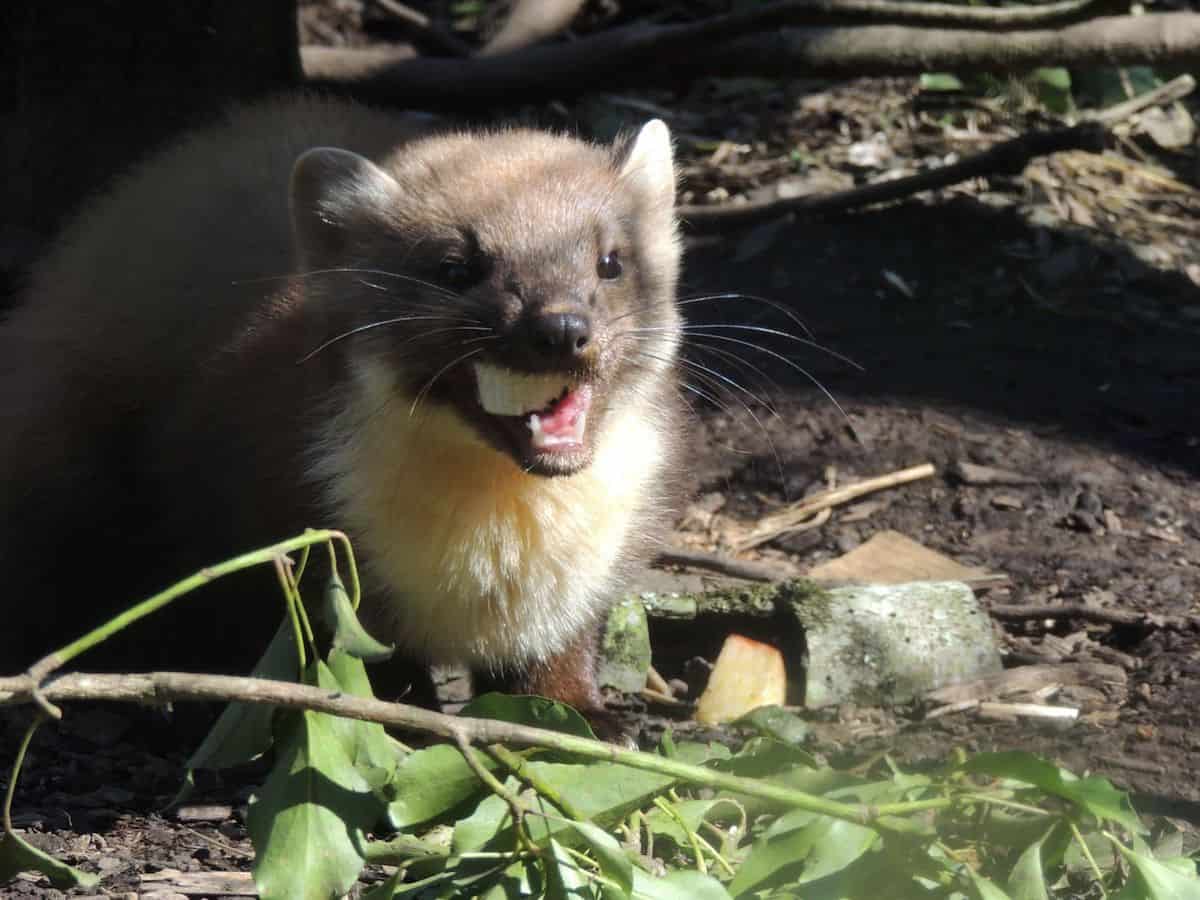
We were pleased to hear from Judy Dunn, a keeper at Wildwood, who would like to start a joint breeding programme with one of our male pine martens (however this will now have to be postponed ‘til later).
On 22nd February a jackdaw was spotted pulling sticks from the alder tree to commence nest building.
On the big pond, by this time were pairs of mallard, moorhen and Canada geese and of course a sole heron is a continual visitor waiting for the otters feeding time.
On Sunday 23rd, 16 long tailed tits visited our peanut and fatball feeders.
On the 26th February, we were greatly saddened by the death of our pregnant female fishing cat. There were no obvious signs of the cause of death.
On Thursday, 27th February, we started off to the Lake District and Scotland. The relevant essay is attached.
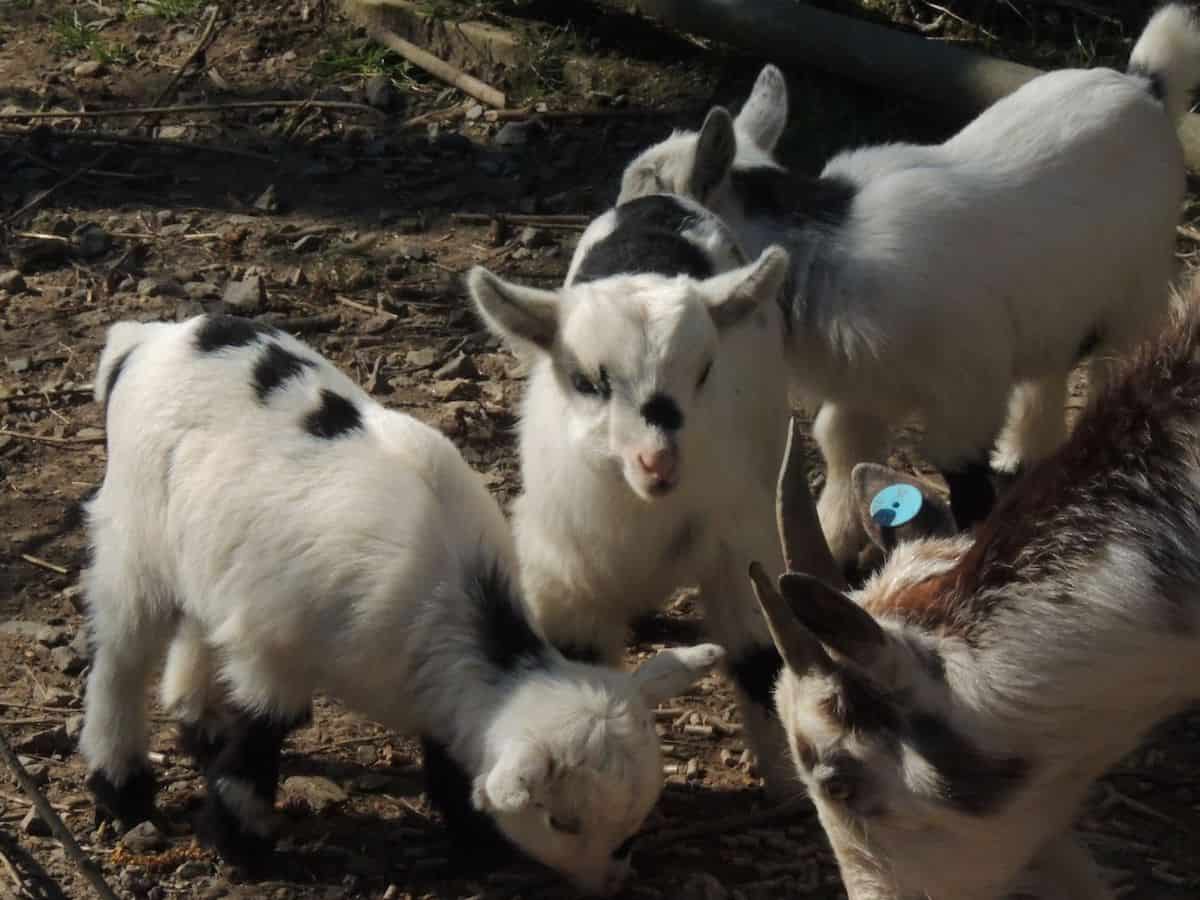
We returned home from our travels on 11th March to find that 3 baby kids had been born to our Senegalese pigmy goats. There is nothing in the world prettier than baby kids jumping around and over each other. On that day there were only 5 rook nests built in our large oaks and one completely halfway. By the 16th there were 9 fully completed nests. The continuous cawing and cackling of the rooks and nearby jackdaws is a wonderful reminder that Spring is on its way.
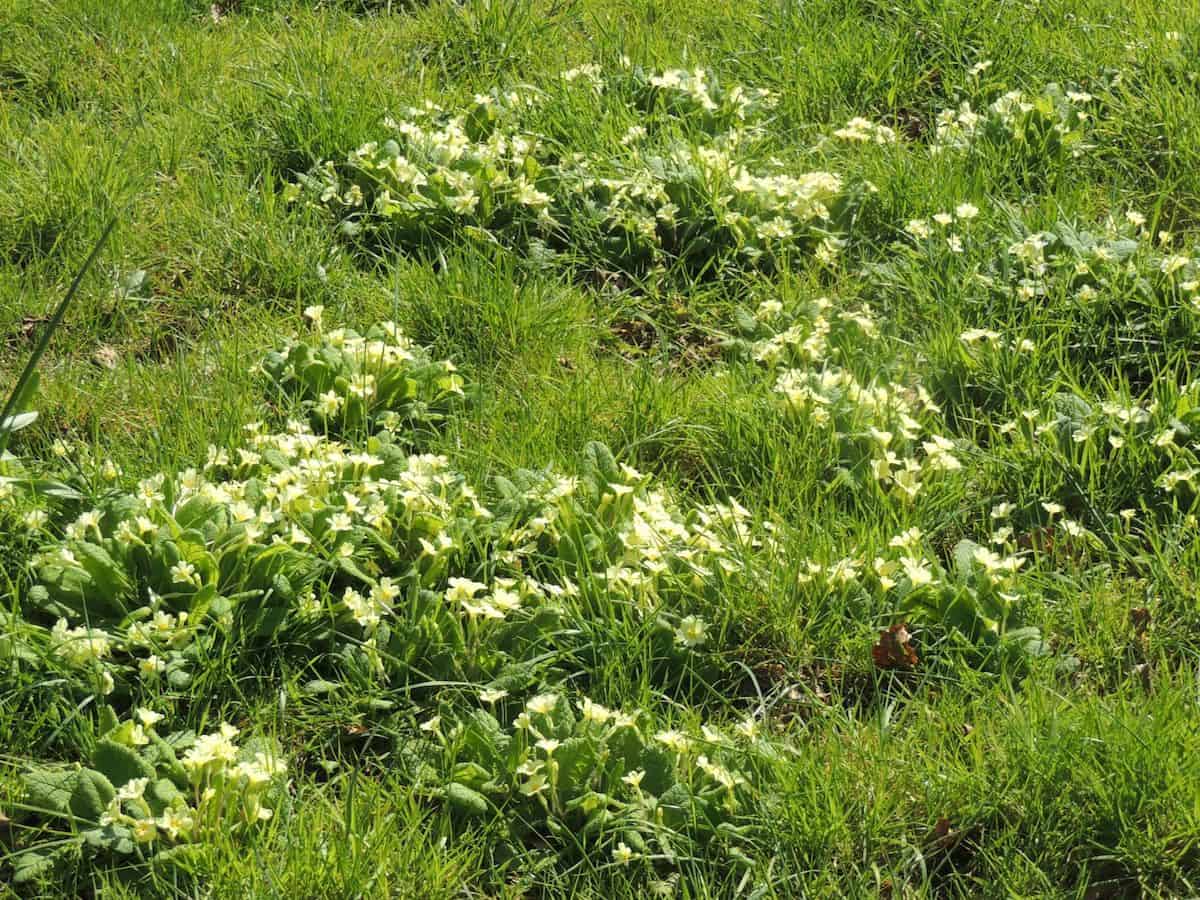
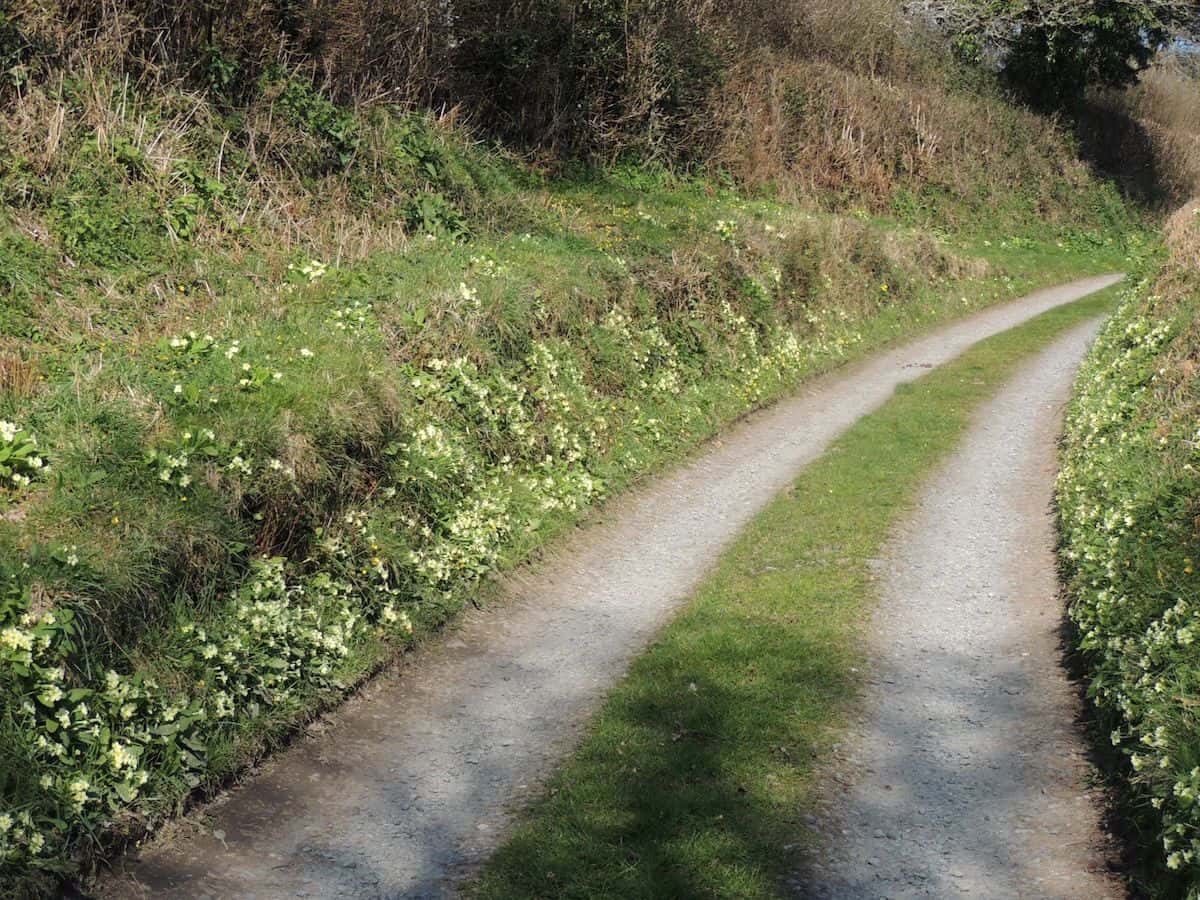
By mid March almost all of the snowdrops are finished. There are large numbers of primroses, the first strawberry, celandine and buttercups have shown flowers.
I attach a summary of birds seen by month and in the order seen and first dates of plants and butterflies etc.
An enormous number of new burrows are being dug by rabbits and there are new badger runs in the lane.
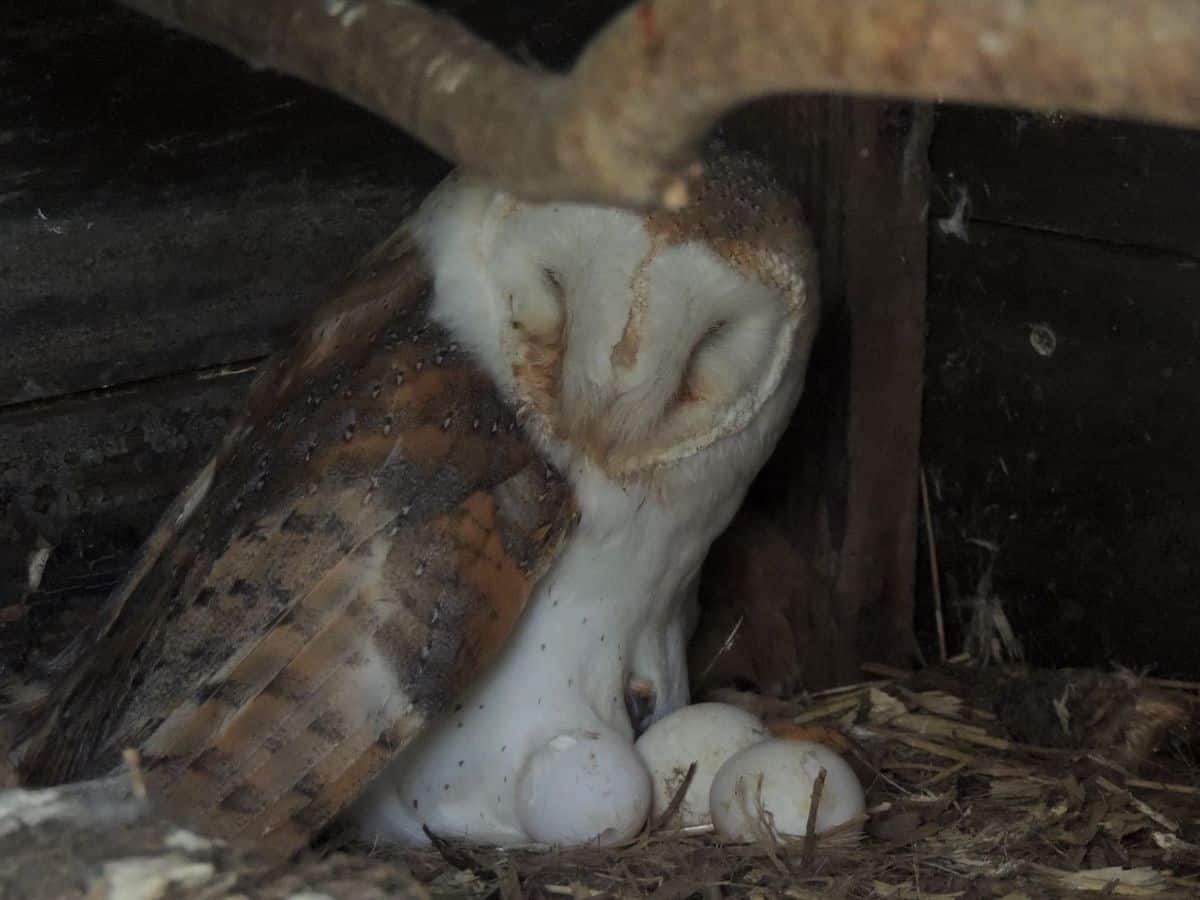
Our barn owls started to lay eggs on 23rd March which means they should hatch around 22nd or 23rd April.
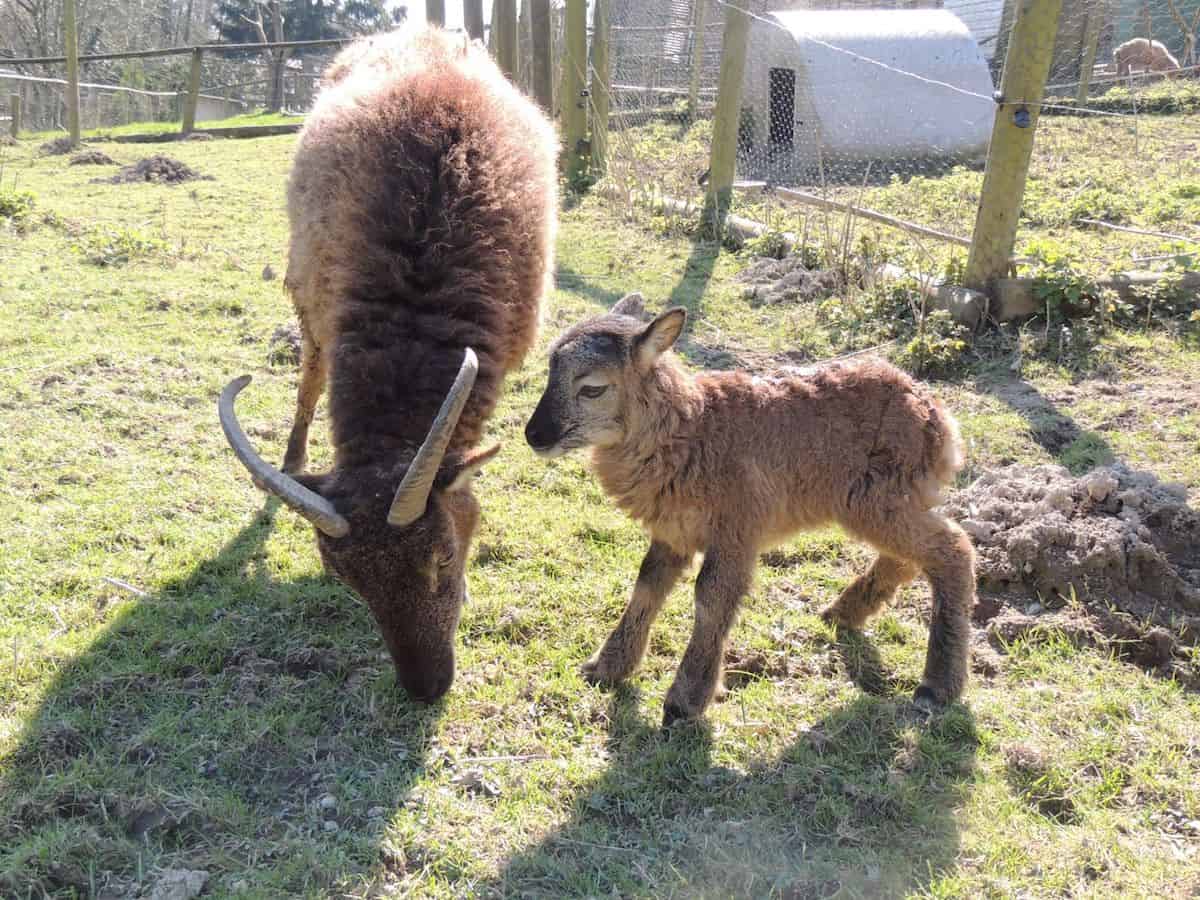
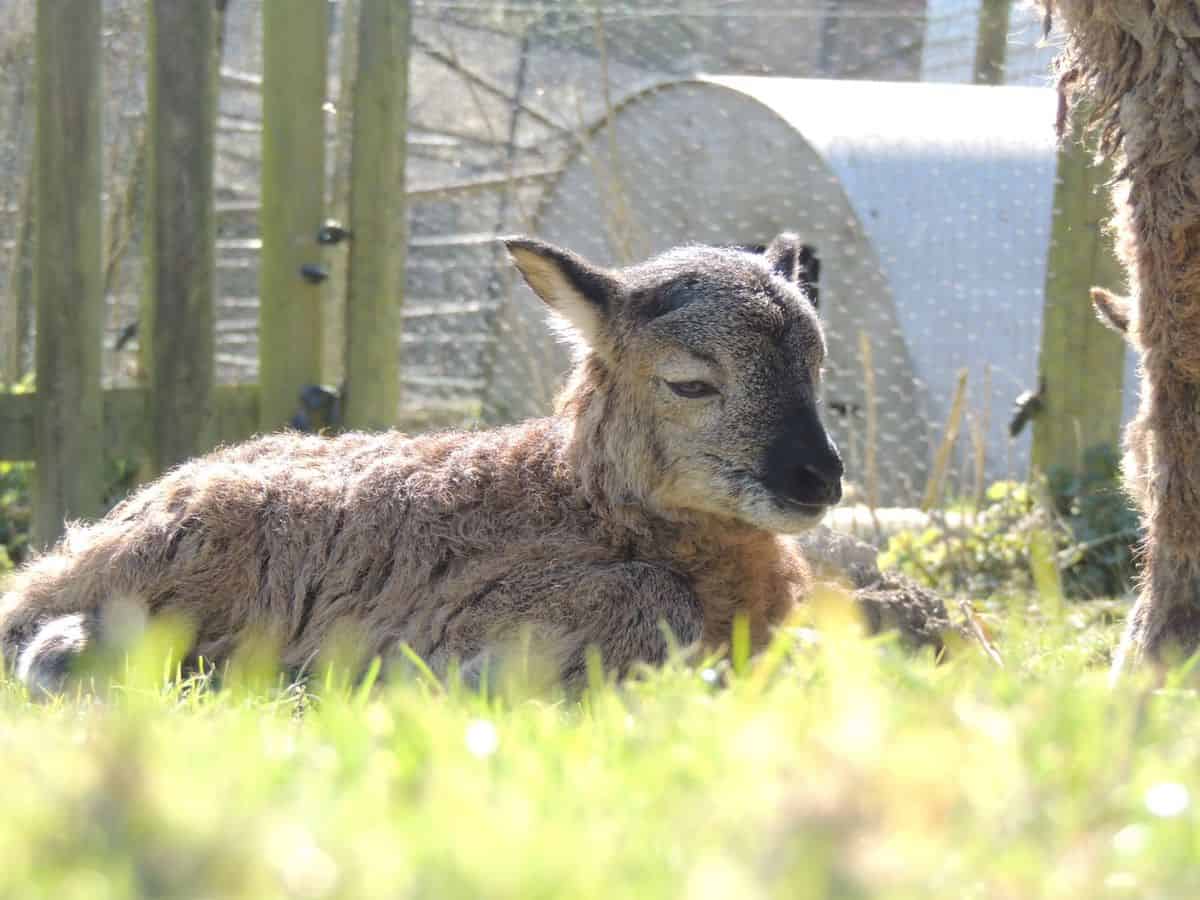
We had our first Soay lamb on 26th February. These sheep always breed early.
As I write these final paragraphs to bring the situation up to date, the Corona Virus is beginning to bite and nobody knows what the future will bring. Nature, however, gets on with Spring affairs. The rooks now have 11 nests and are in various stages from incubating eggs to finalising new nests. The 3 pairs of jackdaws we watch from our bedroom window are all completing their nests in the boxes.
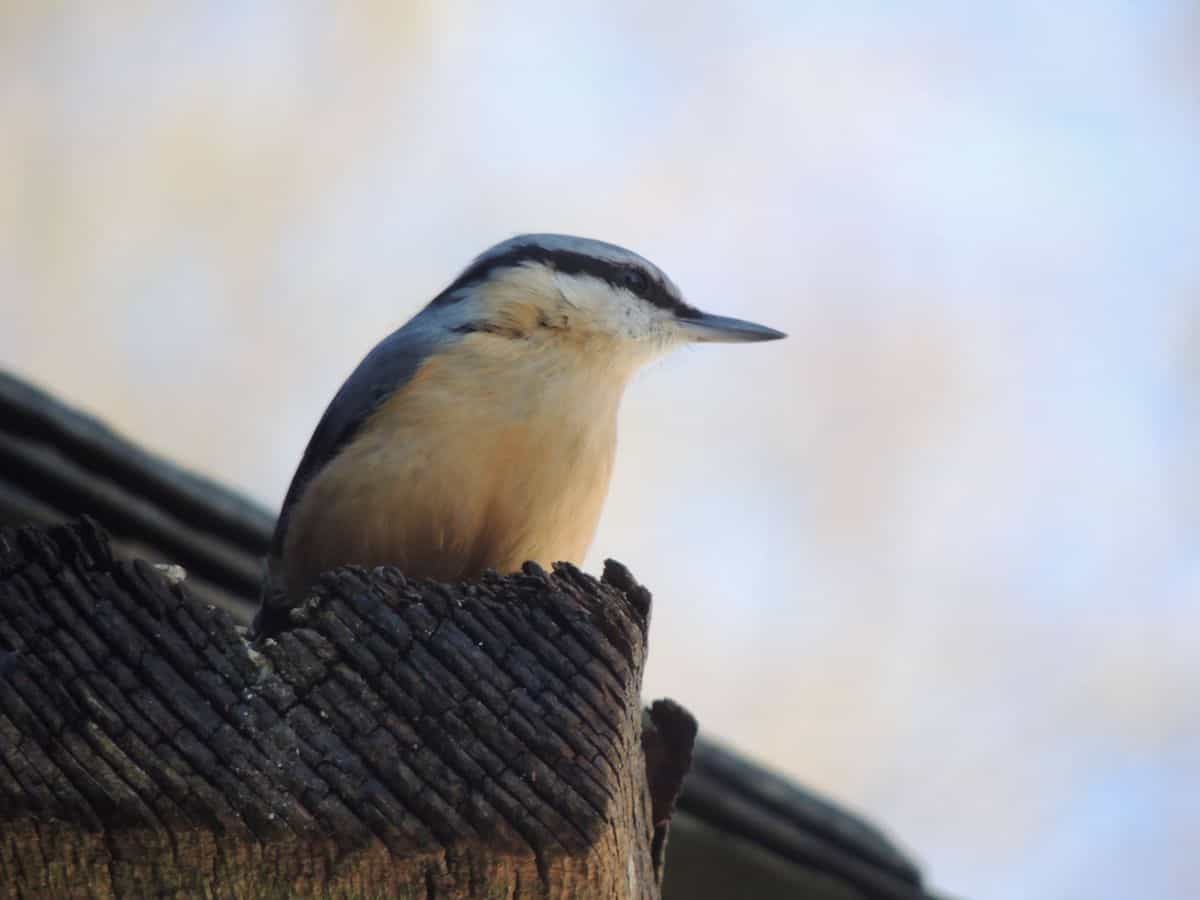
Our captive barn owl female is sitting hard. Our wild nuthatches and house sparrows are building nests. Bluebells, white bells and cowslips are just showing flowers as are the pungent wild garlic.
On the 30th March at 4.30pm in the afternoon, I watched 4 common buzzards soaring around our fields, but well above them a further 7 migratory honey buzzards, a first for Tredivett Mill Nature Reserve.
Who knows what the next month or so will bring, but we must all stay safe, following government guide lines.
Gallery of images this Spring



Sightings in Spring 2020
Sightings in Scotland